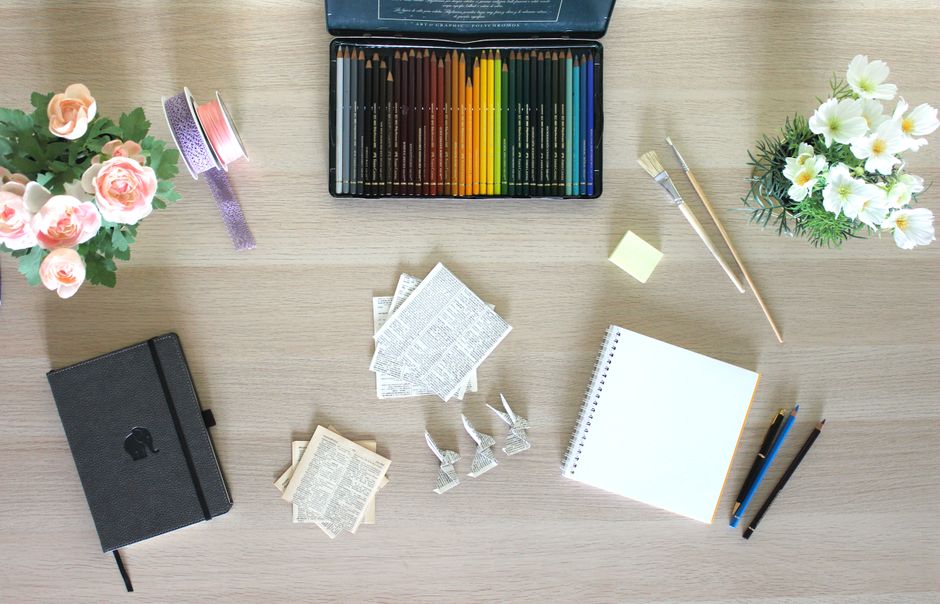
It’s a quiet evening at my home desk, the faint aroma of coffee lingering in the air as I glance at my sketchbook, its pages waiting for a fresh start. I reach for my pen, feeling the familiar weight in my hand, but a nagging hesitation creeps in. The last few days slipped by without a single drawing, and now the thought of flipping to the next page feels heavier than it should. I know I want to draw, yet the setup looms larger than the act itself, making it easy to put off again.
Opening the sketchbook to a blank page should be simple, but I find myself stalling, caught in a loop of indecision. The previous page remains untouched, a reminder of my missed opportunities. I realize that I haven’t set up a ready-to-start environment; my materials are scattered, and the thought of gathering them feels overwhelming. This friction, born from a lack of preparation, often keeps me from diving into my creative habit, turning what should be a joyful practice into a daunting task. A small adjustment in my approach could help bridge this gap and ease me back into my drawing routine.
The Default Method: A Sketchbook Left Closed
The sketchbook rests on my home desk, its cover slightly worn but still inviting. I glance at it, coffee mug in hand, and feel a familiar tug of aspiration mixed with dread. Each time I sit down, I plan to draw regularly, but the pages remain untouched. It’s as if the blankness of the next page has become a barrier, a reminder of the creative moments I let slip by. I think about the potential sketches, the small things I could collect and capture, yet the act of opening the book feels heavier than it should.
Initially, it seems reasonable to think I can just dive in. I tell myself that all I need is a few minutes to sketch something simple. However, the reality is that without a prepared setup, the drawing process morphs into a daunting task. My materials are scattered—pens in one drawer, erasers on the shelf, and the sketchbook itself sitting alone, waiting for me to make the first move. The friction of gathering everything together often leads to procrastination. I find myself stalling, contemplating whether to even start.
In that moment, I realize that I need to establish a ready-to-start environment. Instead of letting the sketchbook sit closed, I can place it in an accessible spot on my desk, right next to my favorite pen. This small adjustment could transform my approach. By making it easier to begin, I can turn that initial hesitation into action. The next time I sit down, I’ll check that my materials are within reach, ready for a quick sketch without the overwhelming setup. This simple shift might just help me overcome the inertia of missed days and reignite my creative practice.
Where the Routine Starts to Fail
After a few missed days, the weight of an untouched sketchbook becomes palpable. It sits on my home desk, its cover slightly worn, a reminder of my intentions. Each time I glance at it, guilt creeps in, intertwining with the motivation that once flowed easily. I tell myself I’ll draw, but the act of simply opening the sketchbook morphs into a daunting task. Instead of feeling like a moment of creativity, it feels like a monumental hurdle, one that I often choose to avoid.
When I finally muster the courage to approach my desk, I realize that my setup contributes to this friction. The sketchbook is closed, and my favorite pen lies buried beneath a pile of papers. I know I need to make a change. Instead of letting the clutter build, I decide to create a "ready-to-start" environment. I pull the sketchbook to the front of the desk, placing it beside my coffee mug, and I lay the pen on top of the first page. This small adjustment makes a difference; it signals that I’m ready to begin. The next time I sit down, I can skip the hesitation and dive right into drawing. The simple act of having everything visible and within reach transforms my approach, turning a potential block into a seamless entry point for creativity.
A Workable Alternative: The Ready-to-Start Setup
A slightly different version of this problem appears in Creative Hobbies For Adults, where the sequence changes but the hidden drag feels familiar.
Returning to my sketchbook after a few missed days often feels like facing a wall. The very thought of opening it can trigger a wave of reluctance, especially when my desk is cluttered and uninviting. The sketchbook itself sits closed, its pages waiting, while my favorite pen is lost beneath a stack of old receipts. This chaotic environment creates an invisible barrier, making it harder to dive back into drawing. Instead of letting this setup loom over me, I decide to create a more inviting workspace.
After dinner, I carve out a quiet moment at my desk, which is illuminated by the soft glow of a lamp. I take a few minutes to arrange my materials. I pull the sketchbook to the front, laying it open to a fresh page. Next, I place my pen directly on top of the page, ready for action. I also keep my coffee mug close by, filled with a warm brew to sip while I sketch. This simple act of preparation signals to my mind that it’s time to create. The difference is striking: instead of a daunting task, I now face a welcoming invitation to draw.
With this ready-to-start setup, I can easily slip into my creative routine without the friction of setup. The next time I sit down, I can skip the hesitation of searching for materials. Instead, I flow straight into my drawing practice, allowing the coziness of my corner and the simplicity of my setup to guide my hand. This small adjustment transforms the experience, making it feel less like a chore and more like a cherished hobby. The act of drawing becomes a natural extension of my evening, seamlessly integrated into my daily rhythm.
The Tradeoff: Comfort vs. Commitment
If this pattern keeps repeating, Starting New Hobbies Slowly extends the idea without leaving the niche.
Settling into my home desk, I notice how inviting the space feels. The sketchbook lies open, the page edge crisp and ready, while my favorite pen rests nearby, waiting for action. This cozy setup encourages relaxed sessions, but I can’t help but feel a creeping complacency. The ease of access to my materials makes it all too tempting to linger in comfort rather than dive into the act of drawing.
When I prioritize comfort, my creative practice often drifts into leisurely doodles rather than focused sketches. I find myself sipping coffee, watching the steam rise, and letting time slip away. The quiet block of time before work or after dinner becomes less about commitment and more about enjoying the moment. However, this tradeoff can lead to missed opportunities for growth. Without the urgency to create, I risk losing the drive to improve my skills.
To counter this, I implement a simple rule: each time I sit down, I must choose a specific drawing challenge before I start. By placing this decision before my cozy setup, I keep the balance between comfort and commitment in check. The next page in my sketchbook isn’t just a blank canvas; it’s a prompt for focused practice. This small adjustment doesn’t eliminate the comfort of my space, but it ensures that my creative sessions remain purposeful, striking a necessary balance between relaxation and productivity.
When That Alternative Fits Better
Returning to my sketchbook after a few missed days often feels daunting, especially when the blank pages stare back at me from my desk. The familiar setup—a cozy chair, a steaming coffee mug, and my favorite pen—seems inviting, yet the thought of diving into creativity feels like a larger task than it should be. Instead of jumping straight into a detailed drawing session, I find myself hesitating, wondering where to start. The moment stretches, and I realize I need a more effective way to ease back into my art practice.
During a quiet block of time after dinner, I decide to shift my approach. Instead of letting the blank page intimidate me, I place a sticky note on the edge of my sketchbook with a simple prompt: "Draw something small from your collection." This tangible cue serves as a gentle nudge, steering me away from the overwhelming blankness and towards a specific focus. I reach for a small trinket—a tiny ceramic cat—sitting on my desk, and I begin to sketch its outline. This small shift in my routine not only helps me bypass the initial friction but also transforms the act of drawing into a more accessible and enjoyable experience.
By establishing this ready-to-start setup, I find that my creative sessions become less about the pressure to produce and more about the joy of exploration. The next page in my sketchbook, rather than being an empty void, becomes a space filled with potential, guided by the simple act of choosing a small object to draw. This adjustment allows me to reconnect with my art practice without the weight of expectation, making it easier to pick up my pen and start creating again.
Returning to my sketchbook after a few missed days often feels daunting, especially when the blank pages stare back at me. I notice that the setup can seem bigger than the act of drawing itself. To ease back into my routine, I focus on opening my sketchbook and selecting a small object from my collection—a smooth pebble or a colorful button—placing it right next to my coffee mug. This simple act of choosing a subject transforms my workspace into a creative zone, signaling to my mind that it’s time to draw.
By shifting my focus to this tangible object, I eliminate the pressure of needing to produce something grand. Instead, I embrace the playful exploration of shapes and textures, making each drawing session feel less like a chore and more like a joyful rediscovery of my hobby. The next time I sit down at my desk, I’ll remember to keep that small object ready, ensuring that my creative practice remains inviting and accessible.
