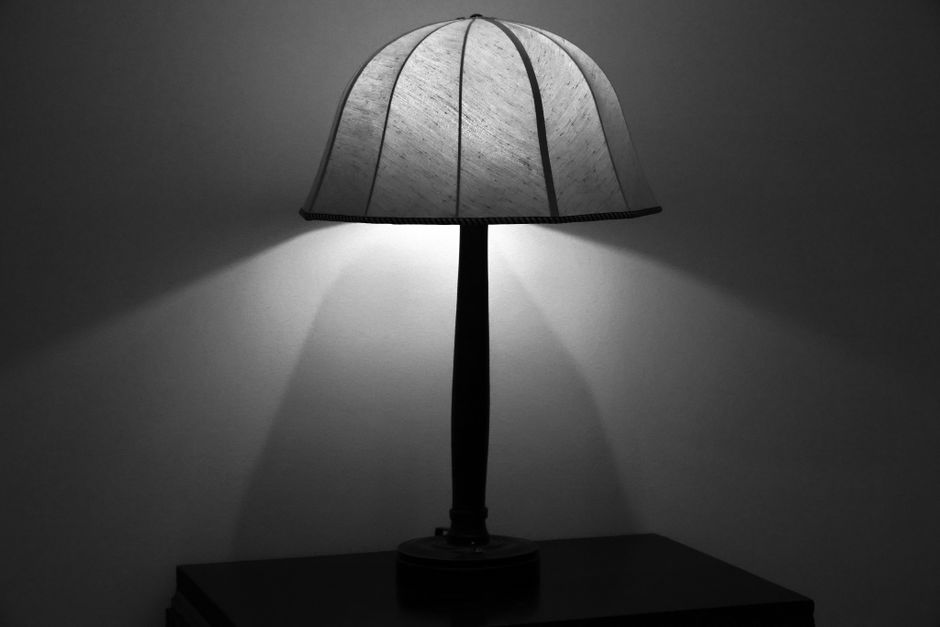
As the lamp casts a warm glow over the cluttered surface of my home desk, I find myself staring at the array of small things I’ve collected over the years: a tiny glass bottle, colorful buttons, and snippets of paper. It’s a quiet block of time before work, the perfect moment to dive back into my creative habits. Yet, I hesitate, realizing that the next step in my art practice has never been marked. The pencil, which I need for sketching ideas, is dull and requires sharpening before I can even begin.
Without a clear plan, I risk losing this fleeting opportunity to engage with my collection. The sketchbook sits closed, waiting to be opened, but I can’t shake the feeling that I’m missing a small yet crucial action. A simple check of my supplies could streamline this process. If I take a moment to gather my tools—sharpen the pencil and lay out my notebook—I'll set the stage for a productive session. Each small adjustment can help me overcome the friction of getting started, allowing me to reconnect with my hobby and the joy of creating.
The First Step That Gets Skipped
The clutter on my desk has a way of creeping in, obscuring the sketchbook beneath a pile of colorful buttons and tiny glass bottles. As I glance at the lamp-lit work surface, I realize that the sketchbook, my gateway to creativity, is nearly hidden. This moment, just after dinner, is often my best chance to dive back into drawing, yet I find myself hesitating. The first step—opening that sketchbook—feels daunting when I can't even see it. The visual chaos makes it hard to focus, and I know I need to clear a space before I can begin.
As I sift through the mess, I spot my pencil, but it’s not ready for action. Dull and unsharpened, it serves as a reminder of the friction that disrupts my flow. I take a moment to grab the sharpener, placing it on the desk next to my coffee mug. With each twist of the pencil, I can feel the anticipation building. Once it’s sharp, I can finally open the sketchbook and let my ideas flow. This small adjustment—sharpening the pencil—creates a direct path to my creative session, turning the potential for procrastination into a tangible action. I realize that if I had checked my supplies earlier, I could have saved myself this unnecessary delay. Why the Next Step Feels Unclear After a few missed evenings at my art desk, the excitement I once felt about collecting small things starts to fade. The lamp casts a warm glow over my cluttered workspace, yet the jumble of supplies creates a barrier. I glance at my sketchbook, still closed, and feel a wave of uncertainty wash over me. Without a clear first step, hesitation creeps in, making it easy to get distracted by the unsharpened pencil lying next to my coffee mug.
When I finally sit down to restart my creative session, I realize I skipped a crucial check: I didn’t prepare my tools. The dull pencil stares back at me, a small but significant reminder of the friction that disrupts my flow. I grab the sharpener, but instead of sharpening right away, I find myself scrolling through my phone, wondering what to draw. This delay leads to an immediate consequence: the longer I wait, the more my enthusiasm wanes.
To combat this, I decide to create a small routine. I place the sharpener prominently on the desk, right next to the sketchbook. This simple adjustment acts as a visual cue, reminding me that sharpening the pencil is my first step. I take a moment to sharpen it, feeling the anticipation build with each twist. Once it’s ready, I can finally open the sketchbook and let my ideas flow. This sequence of actions—preparing my tools first—helps me overcome the initial friction, making it easier to dive back into my creative practice.
A Better Order for the Same Five Minutes
This same friction shows up again in Creative Hobbies For Adults, especially when the day tightens unexpectedly.
After a few evenings away from my art desk, I sit down with good intentions, but the dull pencil catches my eye. I know that sharpening it is the first step to getting back into my creative flow. Instead of waiting until I’m ready to draw, I grab the sharpener immediately and twist the pencil until it’s perfectly pointed. This small action sets the tone for my session, transforming my desk from a cluttered space into a launchpad for creativity.
Next, I place my sketchbook and pen in a visible spot, right next to the lamp where I can easily see them. This arrangement acts as a visual cue, prompting me to open the sketchbook and start journaling or drawing. I realize that good intentions alone won’t lead to action; I need to set up my environment to encourage it. By prioritizing these small adjustments—sharpening the pencil first and laying out my materials—I create a smoother transition into my creative practice. However, I notice that even with everything in place, the temptation to scroll through my phone still lingers. I have to consciously decide to ignore that distraction and focus on the task at hand. What to Check Before the Phone Takes Over Before diving back into my creative session, I glance at my coffee mug, ensuring it’s filled to the brim. A full mug means fewer interruptions, allowing me to focus on my drawing or journaling without needing to pause for a refill. Next, I take a moment to silence my phone notifications. This simple adjustment creates a barrier against distractions, keeping my attention locked on the task ahead.
- Fill your coffee mug to avoid unnecessary breaks.
- Turn off notifications on your phone to minimize distractions.
- Place your sketchbook in the center of your workspace for easy access.
With these checks in place, I feel more prepared to open my sketchbook and begin. The mug’s warmth in my hand and the absence of pings from my phone create a calm atmosphere, allowing me to immerse myself in my art practice. This small sequence of actions transforms my desk into a focused creative zone, setting the tone for a productive evening.
The Shift That Keeps the Flow Going
A slightly different version of this problem appears in Starting New Hobbies Slowly, where the sequence changes but the hidden drag feels familiar.
With the pencil sharpened and the sketchbook open on my lamp-lit work surface, I can dive right into drawing without any setup friction. I make it a point to keep the pencil sharpener within arm's reach, so it’s a quick task to prepare my tools. This small adjustment eliminates the hesitation that often arises when I sit down to create after a few missed evenings. Instead of wasting time searching for supplies or feeling unprepared, I can simply pick up my pencil and start sketching.
As I draw, ideas begin to flow more freely, and I find myself more engaged in the creative process. The act of putting pencil to paper sparks new thoughts and directions for my projects. I also take a moment to check that my sketchbook is positioned centrally on the desk, making it the focal point of my workspace. This visibility serves as a constant reminder to keep creating. By ensuring my pencil is sharp and my sketchbook is easily accessible, I transform my desk into a space that encourages spontaneous creativity and deeper exploration of my hobby.
What Gets Easier in the Next Time Block
After a few evenings away from my art desk, the thought of restarting can feel daunting. The clutter of my workspace, with stray papers and half-finished sketches, often adds to the hesitation. However, I’ve found that simply placing my sketchbook in the center of the desk serves as a visual anchor. This small adjustment makes it the first thing I see when I sit down, prompting me to engage with it immediately.
Before diving into drawing, I take a moment to check that my pencil is sharpened and ready. This quick task, which I make a habit to do right after I finish a session, eliminates the friction of needing to pause and prepare my tools. Instead of delaying my creative flow, I can jump straight into sketching. In this quiet block of time, whether it’s before work or after dinner, I find that having my supplies organized and within reach allows for a smoother transition back into my DIY projects.
As I start to draw, the act of putting pencil to paper helps me reconnect with my creativity. I notice that the ideas begin to flow with greater ease, and I’m more inclined to explore new directions in my art practice. The visible presence of my sketchbook not only encourages me to create but also helps me build a more consistent routine around my collecting hobby. With each session, I feel more at home in my creative space, ready to embrace the next small thing I want to add to my collection.
Returning to my collecting hobby after a few missed days often feels daunting, but a simple adjustment can ease that transition. I make it a point to check my pencil before I open my sketchbook; a sharp pencil is essential for capturing the details of the small things I want to draw. The act of sharpening it not only prepares me for the session but also serves as a signal to my brain that it’s time to engage with my creativity again.
As I sit at my lamp-lit work surface, I notice how the familiar sight of my tools—my notebook, pen, and sketchbook—invites me back into the creative flow. I remind myself to keep my supplies visible and organized, so I can dive into drawing without the friction of searching for what I need. The next time I sit down, I’ll start by sharpening that pencil and flipping open my sketchbook, ready to explore the next small thing for my collection.