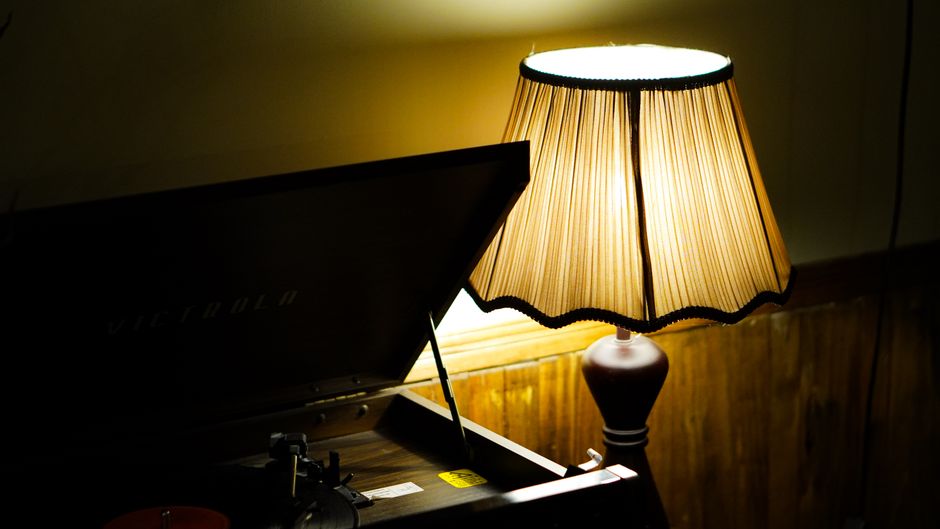
As the afternoon light filters through the window, the soft glow of the desk lamp illuminates a cluttered yet inviting workspace. A sketchbook lies open next to a coffee mug, its rim stained from countless creative sessions. Nearby, a zippered bag filled with small trinkets and materials sits untouched, a collection of potential inspiration waiting to be unleashed. Today feels like the perfect moment to dive back into drawing, but the thought of rummaging through the bag for supplies creates a sense of hesitation. The next step was never marked, and the fear of losing momentum looms large.
In this quiet block before work, the friction of starting can often overshadow the excitement of creating. With supplies zipped away, it’s easy to overlook the simple act of laying out materials, which can set the tone for a productive session. A quick glance at the workspace reveals that the notebook is still blank, and the pen remains capped, ready but not yet engaged. This missed step can turn a moment of inspiration into a frustrating delay. By making small adjustments, like setting up a ready-to-start arrangement of tools, the path to creativity can become more seamless, allowing for spontaneous bursts of artistic expression.
The Routine That Should Work
At the start of a creative session, the desk should feel inviting rather than cluttered. Ideally, the sketchbook lies open next to the coffee mug, with a pen resting nearby, ready for action. Each tool should be within arm's reach, eliminating the need to rummage through a bag or drawer. When everything is organized, the mind can focus on the act of drawing instead of the logistics of finding supplies.
However, the reality often looks different. Picture this: the sketchbook is tucked away in a bag, the pen is capped and hidden under a pile of papers, and the notebook remains closed. Without a clear plan for what to do next, the excitement of starting can quickly fade. The next step was never marked, leaving the artist unsure where to begin. This friction can turn a quiet block before work into a frustrating delay, making it easy to lose the spark of creativity.
To transform this scenario, establish a simple routine. Before finishing a session, take a moment to lay out the supplies for the next time. Place the sketchbook open to the last page used, and keep the pen uncapped and lying on top. This small adjustment creates a ready-to-start setup that encourages immediate engagement. When the desk is prepared, the transition from one creative moment to the next becomes smoother, allowing for spontaneous bursts of inspiration without the hassle of setup.
Where the Process Breaks Down
As the evening light filters through the window, the art desk sits ready but uninviting. The sketchbook lies closed, tucked away in a bag, while the pen is capped and hidden under a stack of old receipts. This setup creates a barrier that can easily derail the enthusiasm to start a journaling session. When the next creative step isn’t clearly marked, confusion sets in, and excitement fades. Without a visible cue, the transition from the thought of creating to actually doing can feel daunting.
Often, the first sign of drift occurs when the supplies remain zipped in a bag. The thought of rummaging through it can lead to procrastination, especially during a quiet block before work or after dinner when motivation should be at its peak. Instead of diving into a craft project, the artist finds themselves stuck, staring at the untouched materials. This snag not only delays progress but also saps the initial spark of inspiration. A simple adjustment, such as placing the sketchbook open on the desk with the last page marked, can transform this friction into a seamless flow. When the pen is left uncapped and positioned on top, the setup becomes inviting, encouraging immediate engagement and reducing the likelihood of losing momentum.
Next time, take a moment at the end of each session to prepare for the next. Leaving the supplies out and ready eliminates unnecessary steps, making it easier to jump back into the creative process. This small change can significantly enhance the experience, turning a potential delay into a quick and satisfying start.
This same friction shows up again in Starting New Hobbies Slowly, especially when the day tightens unexpectedly.
A Simple Correction to Enhance Flow
On a lamp-lit work surface, the scene is set: a sketchbook lies closed, and the pen is tucked away in a bag. The moment is ripe for creativity, yet the artist finds themselves hesitating. The next step in their drawing practice is unclear, and the supplies remain zipped in a bag, creating a barrier to starting. This friction can be easily alleviated by making a small yet effective adjustment.
At the end of each session, take a moment to mark the next step in the creative process. A simple sticky note placed on the open sketchbook can serve as a reminder of what to do next—perhaps a quick sketch of a favorite object or a prompt for journaling. By positioning the sketchbook open to the last page used, the artist can easily pick up where they left off. The pen, uncapped and resting on top of the sketchbook, invites immediate engagement. This setup transforms the desk into a ready-to-start space, eliminating the need to search for materials or recall what to do next.
With the sticky note in place and the supplies visible, the artist can jump straight into their creative session during that quiet block before work. This small correction not only reduces setup friction but also fosters a smoother transition into the drawing process, enhancing the overall experience of collecting small things as a hobby.
What Changes After the Correction
If this pattern keeps repeating, Creative Hobbies For Adults extends the idea without leaving the niche.
With the simple act of marking the next step, the entire creative experience shifts. Instead of fumbling through a zipped bag of supplies, the artist can now approach their lamp-lit desk with clarity. The sketchbook lies open, ready for immediate engagement, while the pen rests uncapped on the last page used. This small adjustment means that during a quiet block before work, the artist can dive straight into their creative session without the usual setup friction.
Notably, the workspace remains clutter-free, as the supplies are neatly organized within easy reach. The coffee mug sits beside the sketchbook, offering a comforting presence while the artist sketches or journals. This inviting atmosphere encourages more frequent creative moments, transforming the desk from a storage area into a vibrant art space. The next time the artist sits down, they’ll find their materials waiting, their last thought marked by a sticky note, guiding them to pick up where they left off.
In this way, the correction not only streamlines the beginning of each session but also enhances the overall enjoyment of collecting small things as a hobby. Each creative block becomes a chance to explore without the burden of remembering what to do next, making the act of creating feel more accessible and less daunting. The friction of setup fades, allowing inspiration to flow more freely, which is essential for maintaining the momentum in their art practice.
As the quiet moments before work or after dinner become a regular part of the routine, the art desk transforms into a welcoming space for creativity. By simply marking the next step with a sticky note on the sketchbook, the artist eliminates the mental friction that often halts progress. This small action ensures that when they sit down, they can dive right into drawing or journaling without hesitation.
With supplies easily accessible and the next creative move clearly outlined, the act of collecting small things evolves from a daunting task into an enjoyable practice. The artist can now focus on the joy of creation, knowing that their workspace is not just a collection of materials, but a well-prepared stage for their imagination to flourish. Next time they finish a session, they can take a moment to jot down their next idea, keeping the flow alive and the inspiration ready for the next visit to their art desk.