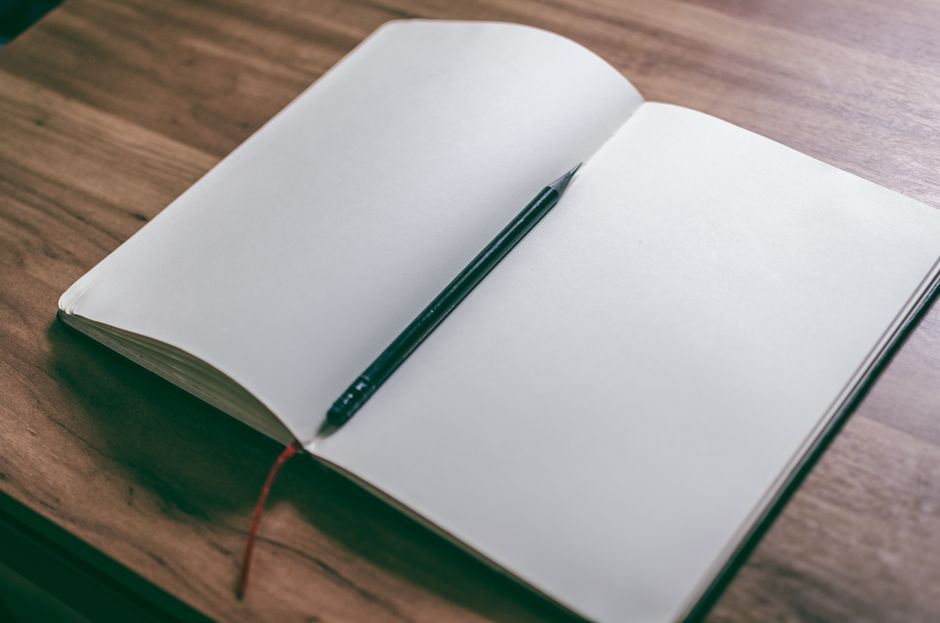
At the corner of my art desk, a zippered bag filled with small items waits for attention. It’s a quiet evening, just after dinner, and I’m ready to start a sketchbook session. I pull out my notebook, pen, and a half-finished craft project, but the bag remains unopened. Each time I sit down to create, I feel the weight of that bag—its contents represent potential, yet the setup feels bigger than the actual practice. The thought of sorting through everything can be overwhelming, and I often end up staring at my supplies instead of diving into the work.
As I glance at the sketchbook, I realize I’m missing a simple step: I haven’t taken a moment to photograph the current state of my collection. This small action could spark ideas for my next piece, yet it often gets overlooked in the rush to start drawing. By not checking the contents or even considering what might inspire me from that bag, I risk losing the creative momentum I need to make progress. The friction of setting up can easily overshadow the joy of collecting small things, making it harder to engage with my hobby.
The Setup That Often Gets Overlooked
At my art desk corner, I often find myself staring at a zipped bag filled with colorful supplies. It sits there, a tempting promise of creativity, yet each time I approach it, the thought of unpacking everything feels daunting. This bag, while convenient for storage, becomes a barrier to starting my sketchbook session. The moment I sit down with my coffee mug in hand, ready for a quick creative burst, the weight of that bag looms large, making the setup seem more significant than the actual act of drawing.
Initially, it seems reasonable to keep everything contained. After all, the bag offers a tidy solution for my materials: pens, markers, and a few small found objects that inspire me. However, this organization can backfire. Instead of diving into my sketchbook, I find myself hesitating, contemplating the effort required to sort through the contents. Often, I skip the crucial step of photographing the current state of my collection, which could provide instant inspiration. Instead, I allow the fear of setup to overshadow the joy of creativity.
To counter this, I’ve started placing my most frequently used items directly on the desk, like my favorite sketchbook and a couple of pens. This small adjustment makes it easier to jump into a creative session without the friction of unpacking. I’ve learned that by keeping a few essentials visible and accessible, I can bypass the overwhelming feeling that comes with the bag. The next time I sit down, I’ll take a moment to check what’s on my desk, ensuring I’m ready to create without the usual setup hassle. This simple act transforms my approach, allowing me to embrace the joy of collecting small things without the burden of an extensive setup. When the Default Method Falls Short Settling into my art desk corner after a long day, I often find a chaotic jumble of supplies scattered across the surface. My sketchbook lies buried beneath a stack of old receipts, while my favorite pens roll away from reach, tucked under a half-finished craft project. The clutter creates an immediate barrier, making it hard to focus on the joy of collecting small things. Instead of diving into a creative session, I feel the weight of unpacking and sorting, which quickly drains my motivation.
In these moments, the default method of collecting—where I rely on my bag of supplies—falls short. The act of rummaging through the bag feels monumental, as if I’m preparing for an expedition rather than a simple sketch. I’ve learned that when I sit down, I should first clear a small space on the desk, placing my sketchbook and a couple of pens front and center. This tiny adjustment transforms the setup from a daunting task into a ready-to-start environment. By keeping just the essentials visible, I can bypass that overwhelming feeling and embrace the creative flow. The next time I sit down, I’ll check that everything is in its place, making it easier to transition into a satisfying collecting session without the usual setup hassle. A More Streamlined Approach to Collecting At my art desk corner, the clutter often feels overwhelming, especially when I’m eager to dive into a sketchbook session after work. Instead of rummaging through a zipped bag of supplies, I’ve started keeping my essential items—like a sketchbook and a couple of pens—within arm's reach. This simple change means I can just reach for my notebook, rather than feeling the pressure of unpacking everything. The act of clearing a small space on the desk, just enough to lay out my materials, has become a crucial first step. I place my sketchbook open and ready, with a pen resting on top, signaling to my brain that it’s time to create.
After setting up, I take a moment to photograph the current state of my collection. This small action not only documents my progress but also serves as a motivational reminder of how far I’ve come. Each image captures the little things I’ve gathered, from unique paper scraps to interesting textures, making it easier to see the value in my collection. The difference is striking: instead of feeling daunted by the setup, I now look forward to each session, feeling prepared and inspired. By keeping my workspace organized and visually documenting my journey, I’ve transformed what once felt like a chore into a rewarding part of my creative practice.
The Tradeoff of Convenience vs. Commitment
If this pattern keeps repeating, Creative Hobbies For Adults extends the idea without leaving the niche.
At my art desk corner, I often face a choice between a streamlined setup and a more engaging collection process. When I opt for convenience, I can grab my supplies from a zipped bag and start sketching immediately. This saves time, especially during those quiet blocks before work or after dinner when I want to squeeze in a quick creative session. However, this method can lead to a sense of detachment from the materials I’ve gathered.
For instance, if I reach for my sketchbook without taking a moment to lay out my favorite paper scraps or interesting textures, I miss out on the joy of rediscovering those small things. The act of sifting through my collection not only sparks inspiration but also deepens my connection to each item. When I skip this step, I lose the initial thrill of discovery that fuels my creativity.
The tradeoff becomes clear: while a quick setup allows for more frequent sessions, it can diminish the richness of the collecting experience. Yet, there’s a practical side to consider. On days when energy is low, prioritizing a streamlined approach means I still engage with my art practice, even if it feels less immersive. The key is finding a balance. I can keep my workspace organized for efficiency while also setting aside time on weekends to explore my collection more thoroughly, ensuring that I don’t lose sight of the joy in the process.
When That Alternative Fits Better
This same friction shows up again in Starting New Hobbies Slowly, especially when the day tightens unexpectedly.
Evening light spills across my art desk, illuminating the scattered supplies that often go untouched. On nights when I feel too drained to dive deep into my collection, I find myself reaching for my sketchbook instead of rummaging through my bag of small treasures. The sketchbook, with its blank pages, offers a welcoming canvas that feels less intimidating than the thought of organizing my collection. I can simply open it up and let my pen flow, capturing ideas that arise from the remnants of my day.
In these quiet moments, I take a quick inventory of what’s on my desk: a coffee mug filled with colored pens, a notebook for jotting down thoughts, and a zipped bag containing my favorite small items. Instead of feeling overwhelmed by the setup, I prioritize a ready-to-start approach. I keep my sketchbook on top of the stack, so it’s the first thing I see when I sit down. This small adjustment eliminates the friction of needing to prepare for a creative session. I can quickly shift into drawing or doodling, allowing my mind to wander and engage with the small things I’ve collected without the pressure of a full setup.
However, this alternative comes with its own tradeoff. While I can easily fill pages with sketches, I miss the tactile experience of handling my small items. The act of photographing my current state—both the sketches and the scattered supplies—becomes a way to document my creative journey, even if it lacks the depth of exploring my collection. It’s a balance between ease and richness, where some days I lean toward simplicity, and other times I crave the immersive experience of sifting through my treasures.
As I sit at my art desk corner, I can see the small collection of items I’ve gathered over time—each one holding a story or a spark of inspiration. Yet, the act of starting a sketchbook session often feels daunting, as if the setup is larger than the actual practice. I remind myself to photograph the current state of my workspace, capturing both my scattered supplies and the sketches in progress. This simple act not only documents my creative journey but also highlights the friction of diving into my collection.
In recognizing this friction, I find that keeping my sketchbook easily accessible helps me transition into creativity more fluidly. When I’m ready to draw, I can quickly grab my notebook and pen, allowing the small things I’ve collected to inform my doodles. The next time I sit down, I’ll check that my art supplies are within reach, ready for that quiet block of time after dinner. This small adjustment can make all the difference in nurturing my creative habits.